TRT Clinic in La Jolla: What Makes Personalized Treatment Effective
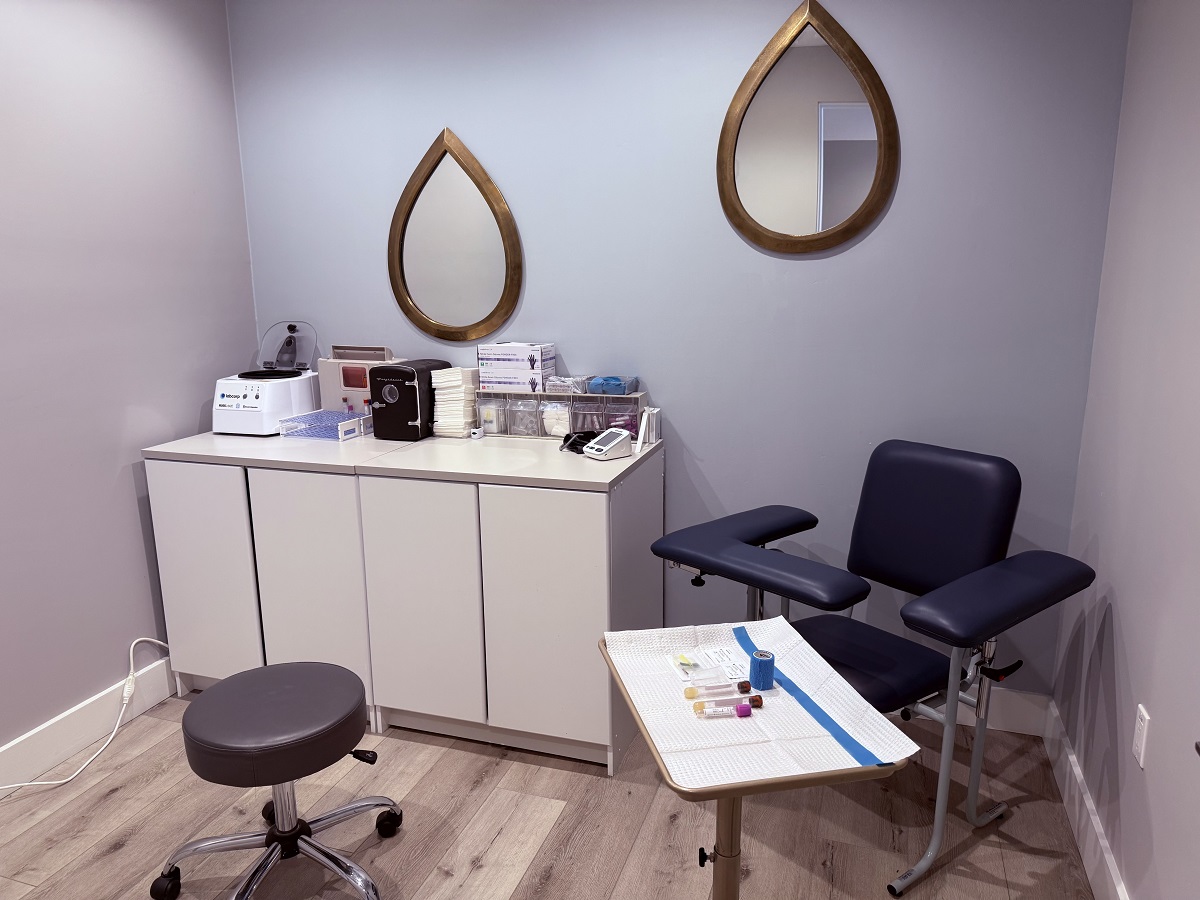


Testosterone replacement therapy tends to get discussed in broad strokes, but broad strokes are exactly what fail patients. Men do not walk into a clinic with identical symptoms, identical labs, identical body composition, or identical goals. One patient is 42, lifts three days a week, sleeps poorly because he travels for work, and is bothered most by declining libido. Another is 61, has gained abdominal weight over a decade, feels mentally flat by midafternoon, and has a history of sleep apnea. A third has perfectly decent total testosterone on paper yet still feels unmistakably different than he did five years ago.
That gap between textbook definitions and lived reality is where a personalized approach matters. If you are evaluating a TRT clinic in La Jolla, the most important question is not whether the clinic offers testosterone. Many do. The real question is whether the clinic can tell the difference between low testosterone, lookalike conditions, and poor treatment design. That difference determines whether therapy improves energy, body composition, sexual health, and mood, or whether it turns into a cycle of frustration, side effects, and guesswork.
La Jolla patients often come in highly informed, sometimes overinformed. They have read forums, listened to podcasts, and seen social media clips where every symptom from low motivation to stubborn belly fat gets pinned on low T. Some have been told they are “normal” based on a single morning blood draw and sent on their way. Others arrive after starting treatment elsewhere with doses that were too aggressive, monitoring that was too sparse, or a protocol that looked convenient on paper and felt terrible in real life. Personalized care starts by slowing that whole process down.
Good TRT starts before the first prescription
A capable clinic does not begin with testosterone. It begins with diagnosis. That sounds obvious, yet it is where many weak programs fall apart. Fatigue, reduced libido, brain fog, depressed mood, loss of muscle, weight gain, poor exercise recovery, and erectile difficulty can absolutely be tied to low testosterone. They can also be tied to fragmented sleep, medication side effects, chronic stress, overtraining, alcohol use, thyroid disease, insulin resistance, depression, or aging combined with poor recovery habits.
A personalized evaluation should spend time on symptom pattern, timing, and severity. A man who reports normal libido but profound fatigue and heavy snoring raises a different clinical suspicion than someone whose energy is decent but whose sexual symptoms and training recovery have dropped sharply over a year. The lab work should support the clinical picture, not replace it.
That usually means more than a single total testosterone value. Total testosterone matters, but it does not tell the whole story. Sex hormone binding globulin can influence how much testosterone is available to tissues. Estradiol matters, not because it should be crushed, but because it affects mood, libido, fluid retention, and breast tissue sensitivity. LH and FSH can help distinguish primary from secondary hypogonadism. Hematocrit gives a baseline before treatment can raise red blood cell concentration. PSA may be appropriate depending on age, history, and risk factors. Thyroid markers, metabolic markers, and sometimes prolactin or iron studies fill in the rest of the landscape.
A thoughtful clinician also looks at whether the patient is still fertile or hopes to be. That conversation should happen before treatment, not after a patient wonders why his semen parameters changed. This is not a minor detail. It changes management.
Personalization is not luxury medicine, it is basic competence
The phrase “personalized treatment” gets overused in healthcare marketing, but in TRT it has a concrete meaning. It means dose, formulation, monitoring schedule, and treatment goals are shaped around the individual rather than imposed from a template.
A standardized protocol can look efficient. Everyone gets the same injection frequency, the same milligram target, and the same follow-up interval. It is easy for the clinic. It often feels lousy for the patient. Testosterone pharmacokinetics vary enough that two men on the same weekly dose can have very different symptom patterns and side effects. One may feel stable all week. Another may feel good for two days, irritable on day four, and flat by day six. One may see a meaningful hematocrit rise. Another may not. One may develop acne or breast tenderness. Another may never encounter either.
Personalization means the clinician notices these differences and adjusts intelligently rather than reflexively. It also means defining success with more nuance than “we got your level into range.” Range is useful, but symptom relief, stability, and safety matter just as much.
In practice, the most effective care usually shares a few habits:
- It confirms the diagnosis with symptoms plus appropriate lab interpretation.
- It chooses a delivery method the patient can realistically maintain.
- It starts with a measured dose rather than an ego-driven dose.
- It monitors both benefits and adverse effects on a set schedule.
- It adapts over time as sleep, weight, stress, and age change the response.
That list sounds simple. Doing it well requires restraint and experience.
Why the best protocols are rarely the most aggressive ones
One of the most common mistakes in testosterone therapy is assuming more is better. Patients often arrive after seeing numbers online that sound impressive, or after hearing that a “high-normal” or even supraphysiologic level is the key to feeling young again. Real medicine is less theatrical.
The goal of TRT is not to create a permanent peak. The goal is to restore a physiologic environment that improves symptoms and function while minimizing preventable harm. Push too high and the trade-offs show up quickly. Hematocrit can climb, blood pressure may drift upward in some patients, acne may flare, sleep apnea can worsen in predisposed individuals, and emotional volatility can replace the calm mental clarity patients were actually seeking.
A good clinician respects those trade-offs. If a patient feels somewhat better on treatment but develops thickened blood markers and facial flushing, the answer is not always to add another medication on top of the first one and keep the same dose. Sometimes the better answer is to reduce the testosterone dose, adjust injection frequency, look at hydration and sleep, or reassess whether the patient’s desired target has become disconnected from what his physiology tolerates well.
This is where experience shows. Effective TRT is often quiet medicine. Modest changes can produce excellent outcomes. The patient sleeps better, trains better, thinks more clearly, and notices that he has become more consistent again. That is success, even if the protocol sounds less dramatic than what he read online.
Delivery method matters because adherence matters
Some men do very well with injections. Others strongly prefer creams or gels because they want to avoid needles, or because they value a routine that fits seamlessly into the morning. There is no universally superior format for every patient. There is only the format that best balances absorption, convenience, cost, stability, and patient preference.
Injections are common because they are effective and allow precise dose control. They also come with practical decisions: intramuscular versus subcutaneous, once weekly versus more frequent dosing, self-administration comfort, travel considerations, and sensitivity to hormonal peaks and troughs. In my experience, patients who feel “up and down” often improve not because they need a huge dose change, but because they need smaller, more frequent doses.
Topical therapy can work very well for the right person, especially someone who values convenience and wants to avoid post-injection fluctuations. But topicals bring other real-world considerations, including variable absorption and the need to avoid transferring medication to partners or children through skin contact. That conversation should be direct and specific, not buried in fine print.
Pellets and other longer-acting approaches appeal to patients who want fewer treatment touchpoints, but they are not ideal for everyone. The less flexible the delivery system, the harder it is to fine-tune early in treatment. For a patient just starting therapy, some flexibility can be valuable.
A strong TRT clinic in La Jolla should be able to explain the trade-offs clearly, without steering every patient toward the same option.
Monitoring is where safe treatment separates itself from marketing
A surprising number of treatment failures are not dose failures at all. They are follow-up failures. Starting TRT without a clear monitoring plan is like setting a course without looking at the road.
Patients should know when follow-up labs will be checked, what symptoms should prompt earlier contact, and which markers matter most. They should also understand that timing of blood work matters. Testosterone drawn at the wrong time relative to an injection can create confusion and bad decisions. The number itself might look alarming or reassuring without reflecting the patient’s actual average exposure.
Monitoring is not only about catching problems. It is also how clinicians refine treatment. A patient may report improved libido but persistent afternoon fatigue. Is his testosterone truly low at the end of the dosing interval, or are sleep debt and elevated stress doing the heavy lifting there? A patient may say he feels “wired” after treatment starts. Is he overdosed, sleeping less because he has more energy, drinking more caffeine, or dealing with anxiety unrelated to hormones? Good follow-up sorts this out.
The markers worth attention depend on the individual, but several commonly shape management:
| Marker | Why it matters | |---|---| | Total and sometimes free testosterone | Helps assess replacement adequacy and timing of dose effect | | Estradiol | Relevant when symptoms suggest imbalance, not merely because a number exists | | Hematocrit and hemoglobin | Tracks red blood cell rise, which can influence safety and dosing | | PSA, when appropriate | Part of age and risk-based prostate monitoring | | Liver, lipids, glucose, or A1c in selected patients | Useful when metabolic health is part of the broader picture |
A clinic that treats TRT as isolated hormone math misses a central truth: men do not experience hormones in isolation. Sleep, insulin sensitivity, alcohol use, body fat percentage, medications, and training load all affect outcomes.
The role of lifestyle is not optional, but it should not be used to dismiss symptoms
There is a familiar frustration among men seeking help for low testosterone symptoms. They are told to sleep more, lose weight, reduce stress, and clean up their diet. On one level, that advice is fair. On another, it can feel glib. Some men really do need treatment, and “just optimize your lifestyle” becomes a way to delay useful care.
The better approach is not either-or. It is both-and, applied with judgment.
Excess body fat, especially central adiposity, can lower testosterone and worsen inflammatory and metabolic health. Poor sleep can blunt testosterone production and wreck libido independent of hormone levels. Heavy alcohol use can impair recovery and worsen erectile function. A clinic that ignores these factors will get mediocre results. A clinic that uses them to deny every symptomatic patient will also get mediocre results.
The practical difference lies in triage. If a patient has borderline labs, sleeps five hours trt clinic La Jolla a night, has gained 30 pounds, and snores loudly, there is real value in addressing sleep apnea, weight, and sleep quality aggressively before or alongside treatment. If a patient has consistent biochemical deficiency, classic symptoms, and has already addressed obvious lifestyle drivers, dragging the process out serves no one.
Personalized care means speaking honestly about where TRT can help and where it cannot. Testosterone is not a cure for burnout, an unhappy marriage, chronic sleep deprivation, or six nights a week of alcohol. It can improve the physiologic terrain, but it cannot replace discipline or solve unrelated problems.
Fertility, age, and future planning need to be on the table early
This is one of the clearest markers of mature care. Men in their 30s and 40s often seek treatment while still planning families or keeping that option open. Standard testosterone therapy can suppress sperm production. That fact should never come as a surprise discovered midway through treatment.
For some patients, fertility-preserving strategies or alternative approaches may be more appropriate. For others, TRT still makes sense, but only after an informed discussion about reproductive goals. The correct path depends on timeline, baseline fertility, symptom burden, and willingness to accept trade-offs.
Age adds another layer. A healthy, symptomatic 38-year-old and a 68-year-old with cardiovascular risk factors should not be managed as if they are the same case with different birthdays. Older patients may need closer attention to comorbidities, polypharmacy, blood pressure, and prostate considerations. Younger patients may need more discussion around long-term commitment, fertility, and the temptation to chase physique goals rather than symptom relief.
That long view matters. TRT is not usually a casual six-week experiment. It is a treatment relationship.
What patients often notice when treatment is truly well matched
When TRT works and the protocol fits the person, improvements tend to arrive in layers rather than all at once. Libido may shift before body composition changes. Mood and mental drive may improve before strength catches up. Sleep can become more restorative, which then amplifies the benefits in training and work capacity. Men often describe feeling more like themselves rather than feeling like a different person.
That distinction matters. Overhyped treatment promises make patients expect a dramatic overnight transformation. Real progress is often steadier and more believable. Within several weeks, some men notice better morning energy and a stronger sense of follow-through. Over a few months, they may see easier maintenance of lean mass, improved sexual function, and less effort required to recover from training. For men who started from a true deficiency, the change can be substantial. For men closer to the border, the gains may be meaningful but narrower.
The best clinics set expectations this way. They do not undersell treatment, but they do not turn it into theater.
Warning signs that a clinic is not truly personalizing care
Patients can usually sense when they are being processed rather than treated. The clues are often practical. Intake feels rushed. Symptoms are barely discussed. A single lab value drives the entire decision. Fertility is never mentioned. Side effects are framed as rare trt clinic La Jolla or trivial. Follow-up is vague. The treatment plan sounds the same for everyone.
If you are comparing options, pay attention to how the clinic answers ordinary questions. A careful clinician should be comfortable discussing why your labs matter, why the chosen formulation fits you, what the first three months will look like, and what adjustments might be needed if things do not go as expected.
A few questions are worth asking directly:
- How do you confirm that symptoms are actually related to testosterone deficiency?
- What baseline labs do you review before starting treatment?
- How do you decide between injections, topical therapy, or other options?
- How often do you repeat labs, and how do you respond to side effects?
- How do you handle treatment for men who want to preserve fertility?
Those answers reveal a lot. So does the tone. Sound medicine usually sounds measured.
Why local context in La Jolla can shape the experience
La Jolla is not medically unique in a biologic sense, but the patient population often brings a distinct set of expectations. Many are active, career-focused, health-literate, and accustomed to concierge-style service. That can be a strength when it leads to engagement and adherence. It can be a problem when it creates pressure to optimize every lab value beyond reason.
In this setting, a high-quality clinic needs both clinical rigor and enough confidence to say no when needed. Not every tired executive needs testosterone. Not every athlete with a slightly lower number needs treatment. At the same time, not every symptomatic man with a “normal range” result is fine. Good care lives in that gray zone and does not rush to satisfy either skepticism or demand.
There is also a practical reality to the area. Patients may travel often, maintain demanding schedules, and expect easy communication. Personalized treatment should account for that. A protocol that works beautifully for a retired local patient may be a poor fit for someone flying twice a week. Convenience should not dominate medicine, but it should not be ignored either. Adherence improves when treatment fits a life already in motion.
Effective TRT is a process, not a transaction
The most successful testosterone therapy programs tend to feel less like buying a product and more like entering a well-managed clinical process. The prescription matters, of course, but it is only one piece of the outcome. The other pieces are diagnosis, education, follow-up, and honest recalibration.
Patients do best when they understand why they are on treatment, what benefits are realistic, what trade-offs deserve attention, and how their own habits shape the result. Clinicians do best when they stay curious, avoid protocol autopilot, and remember that symptom relief and physiologic safety must move together.
That is what makes personalized care effective. It is not branding language. It is the discipline of treating the patient in front of you, not the average patient from a protocol sheet. For anyone considering a TRT clinic in La Jolla, that discipline is the feature that matters most. Everything else, from office aesthetics to marketing language, is secondary.
SDBody La Jolla
7710 Fay Ave, La Jolla, CA 92037
+1 858-401-2383
FAQ About trt clinic La Jolla
How much should my TRT cost?
TRT costs depend on the clinical evaluation, medication, laboratory testing, and follow-up plan. Ask for an itemized estimate that includes the initial visit and ongoing monitoring. SDBody La Jolla can explain its current fees after discussing the services being considered.
Will Insurance Pay for TRT in La Jolla?
Coverage depends on your plan, diagnosis, prescribed treatment, and provider network. Ask your insurer about medical necessity requirements, prior authorization, laboratory coverage, and out-of-pocket costs. Confirm SDBody La Jolla's billing arrangements directly; insurance payment is not guaranteed.
Is TRT safer than steroids?
Testosterone is itself an anabolic steroid. Clinician-prescribed replacement for confirmed testosterone deficiency differs from nonmedical steroid use, but it still carries risks and requires monitoring. Possible concerns include increased red blood cell levels and reduced sperm production. Discuss your medical history and fertility goals with a qualified clinician before considering treatment.